
As Chris Cook of the Pathways Into Music Foundation framed it, the central question of the day was:
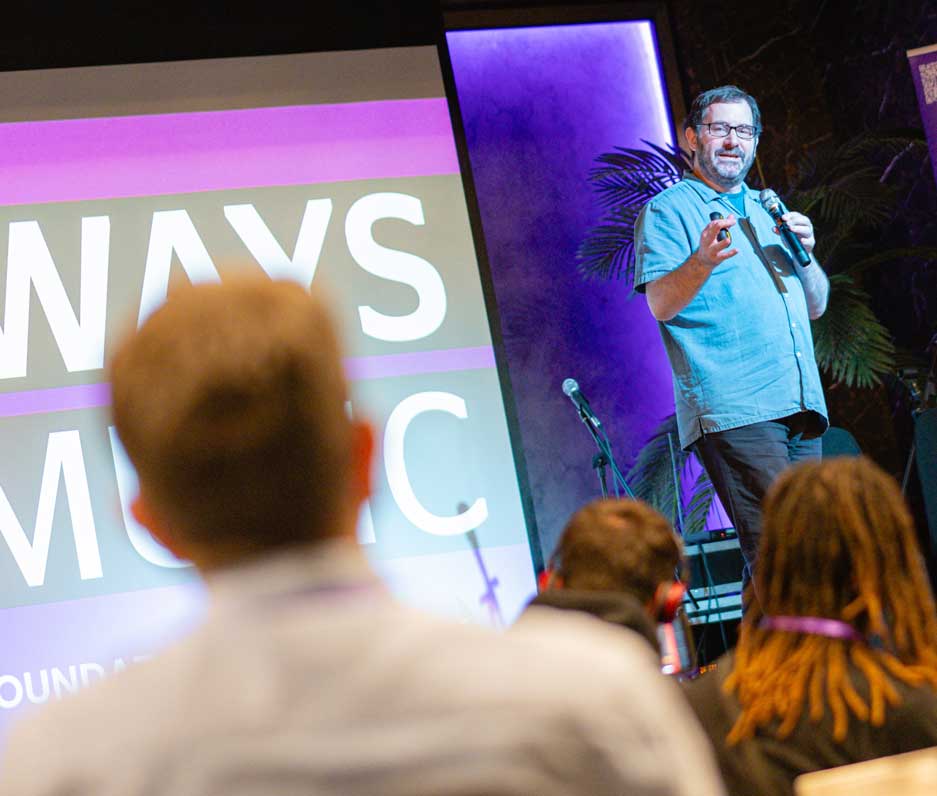
“How can we encourage and facilitate the process to use music and music making to build communities and create opportunities? And when it does happen, how can we ensure that the people involved fairly benefit from what they have created?”
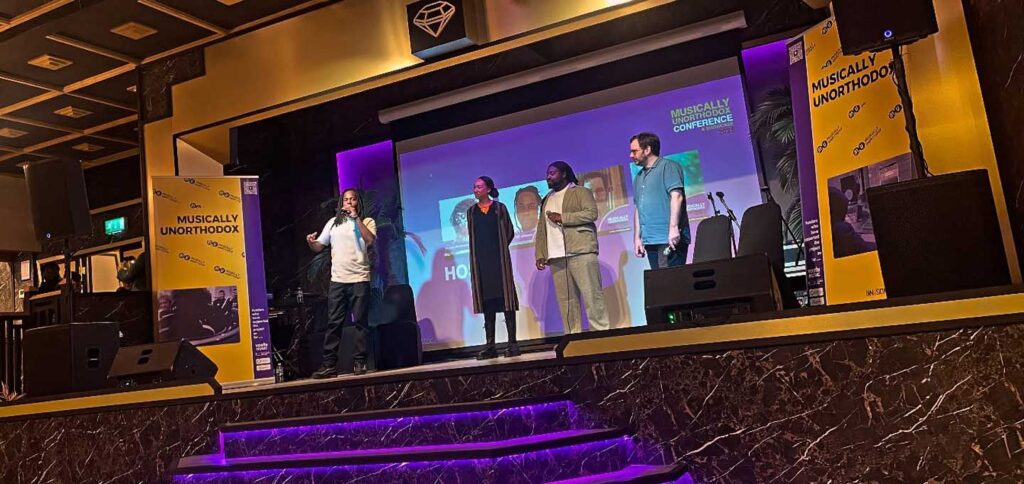
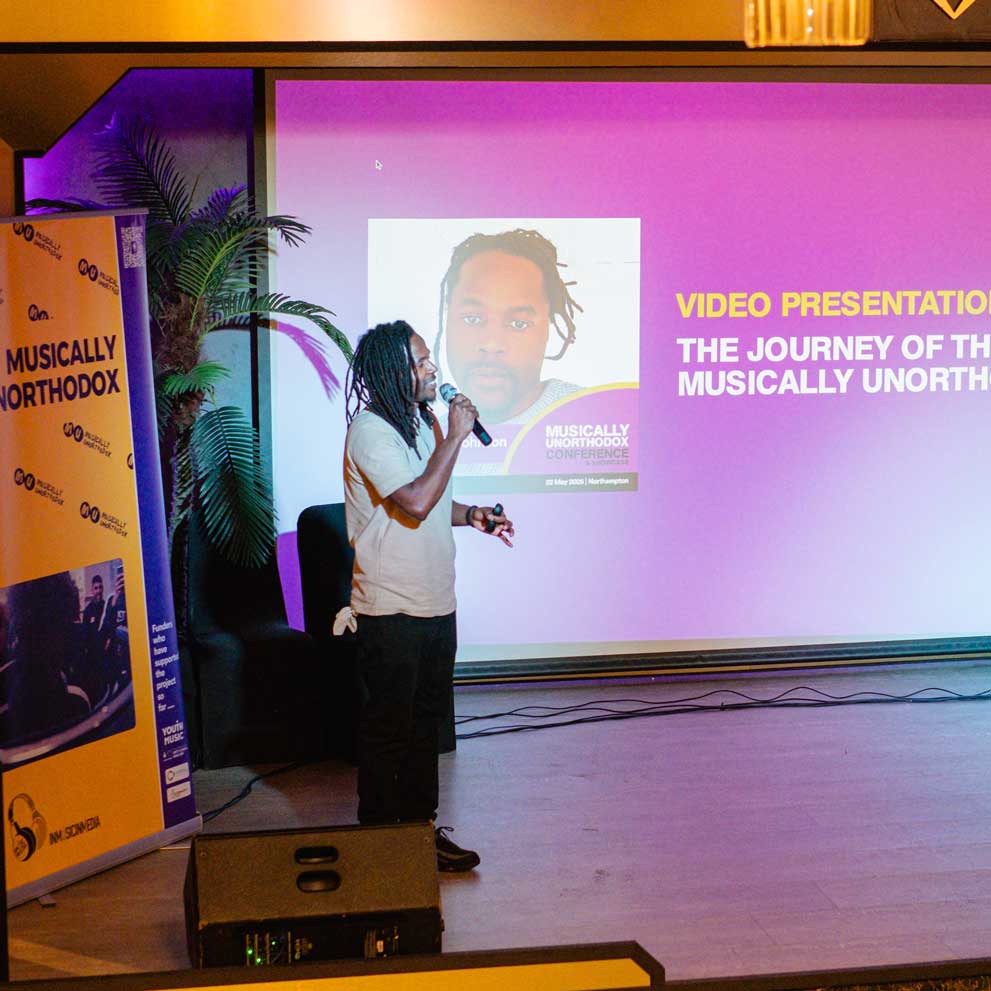
The conference highlighted that the solution is already growing organically within communities. The journey of Daniel ‘HD’ Johnson, showcased in a powerful video, is a testament to this. His success, from running a reggae sound system to becoming a university lecturer and founding a social enterprise, was built on the “unconventional educational and career pathway” forged through music. His organisation, In Music In Media, and its Musically Unorthodox Project, formalises this process, working directly with NEETs, young offenders, and excluded students.
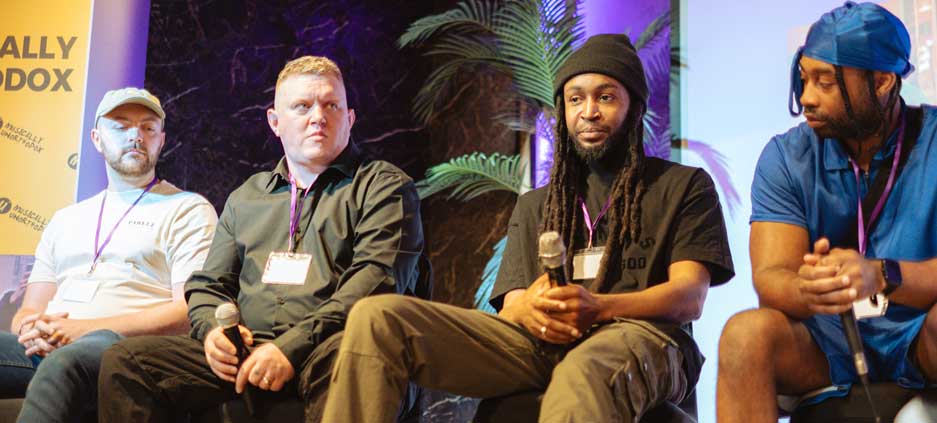
This theme was echoed by local practitioners on the “Local Dimension” panel. Event promoters like Dreadz (Dready Jamz) and Leon Denton (Lay It Down) are not just providing stages; they are creating community hubs that offer informal mentoring, collaboration, and crucial advice on everything from streaming royalties to mental wellbeing.
Anton Noble (Guiding Young Minds), who works with high-risk individuals involved in violence, emphasised that music builds transferable skills in confidence, communication, and self-expression that are valuable in any career. Connor Osborne (BBC Introducing) highlighted the vital role of platforms like his in giving local talent a launchpad to national radio and festivals, but stressed the need for more proactive outreach and mentorship to demystify the process.
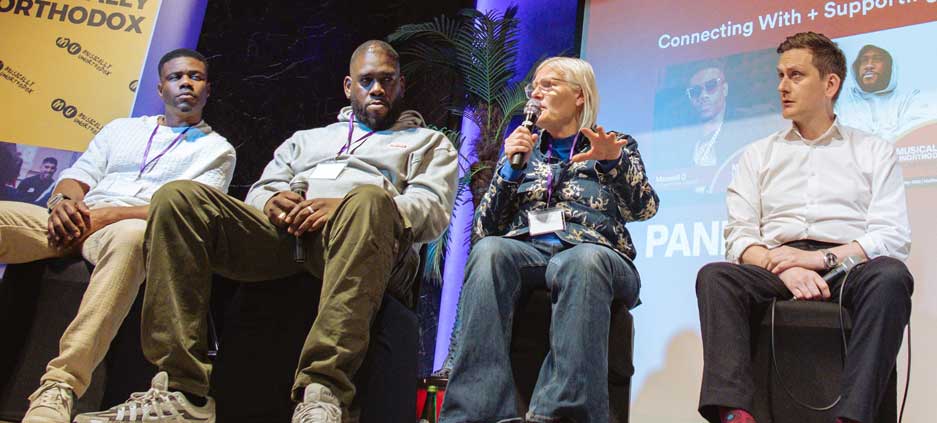
The “National Dimension” panel brought insights from those working across the UK, reinforcing the need for scalable, validated alternatives to formal education.
Maxwell D (Music Through The Bars), a legendary Grime MC turned youth mentor, shared his journey from being an industry pioneer who “didn’t know about contracts” to running workshops that teach young people the business of music, from trademarks to mental resilience. His message was clear: “The knowledge is power.”
Biggoss (Syncd:in), a DJ and music publisher from Birmingham, highlighted the critical gaps in knowledge around radio plugging and music publishing, noting that many artists from underrepresented backgrounds “leave a lot of money on the table.”
The discussion turned systemic with Denise Stanley of (CLOCK), which offers a groundbreaking framework for validating non-formal learning. She argued that the industry runs on collaboration, while formal education focuses on the individual. CLOCK provides the crucial “qualification without the classroom,” allowing experienced practitioners to gain accredited certifications for their skills, thereby breaking down a major barrier to employment.
Lyle Bignon (NTE Ambassador), a music and night-time economy consultant, presented his work in Birmingham, creating industry placement frameworks that operate alongside, but independently of, universities. His model empowers students by treating placements as real jobs, fostering cross-disciplinary understanding that traditional courses often miss.
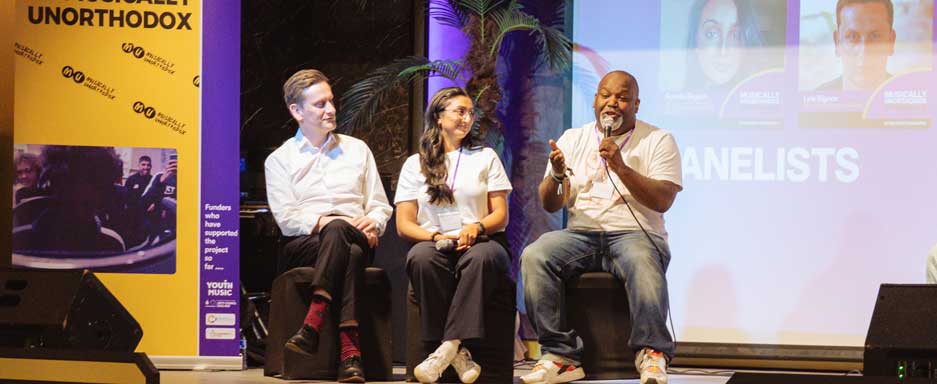
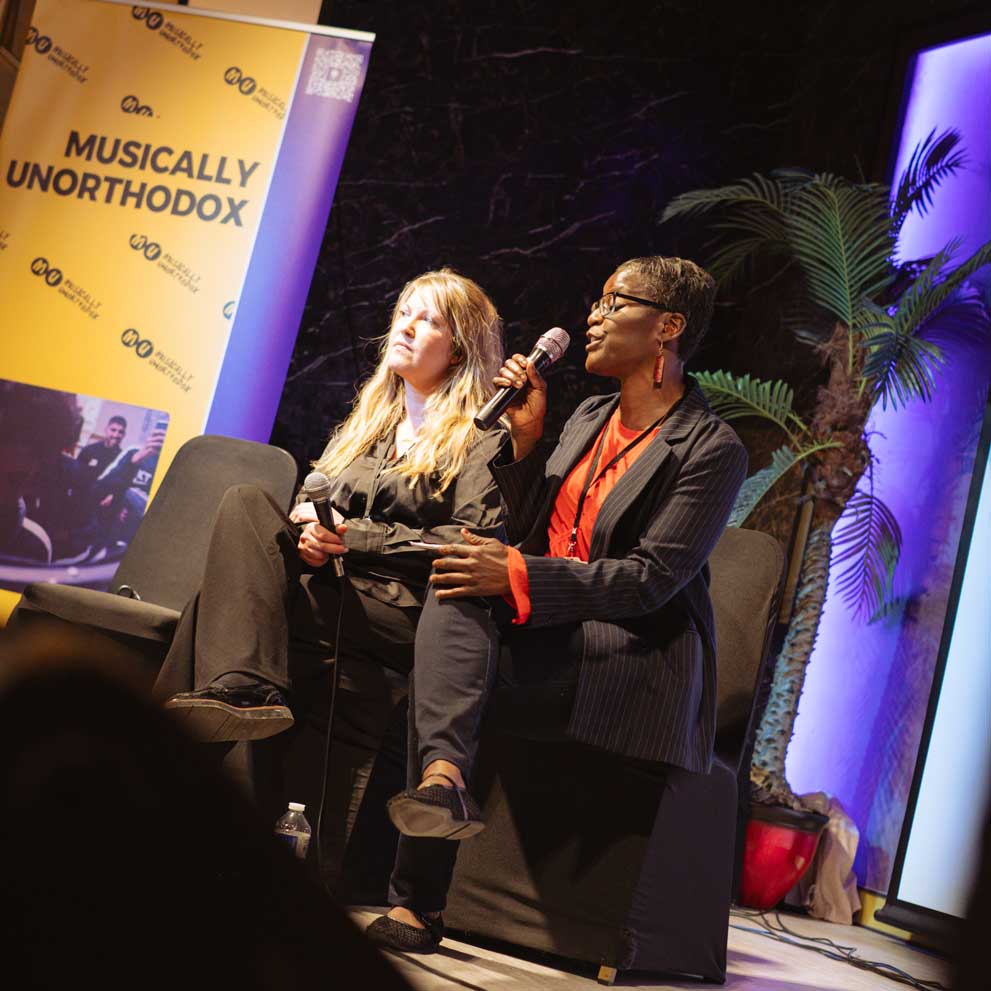
A hard-hitting panel on “Non-Inclusive Culture in the Music Industry,” moderated by Ashley Samuels-Mckenzie, confronted the systemic barriers head-on.
Wizdom Layne (MOBO Unsung / Sound Connections) identified the core issue as often being one of class, not just race. “If you’ve never played golf or don’t ski, there are certain conversations you just don’t end up in,” he noted, emphasising that getting in the door is only half the battle; staying in and thriving requires navigating unspoken cultural codes.
Foreda Begum (Omnicom Media Group) and Lyle Bignon stressed the power of “paying it forward” and the responsibility of those inside the industry to become mentors and advocates. The panel agreed that while initiatives like PRS Foundation’s Power Up are crucial for supporting Black leaders, the industry itself must look beyond “tick-box” EDI policies and embrace true representation at all levels, especially in senior leadership.
The most revolutionary solution to the perennial funding crisis was presented by Jay Baughan (Pluggin Ecosystem). He unveiled a sustainable model harnessing the new Procurement Act, which mandates that businesses winning public contracts must deliver measurable social value.
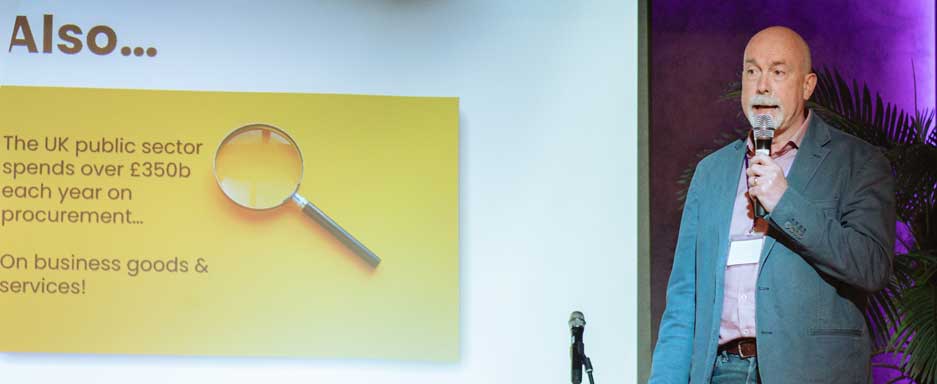
His “Dual Impact Collaboration Model” is already being used to connect major corporate suppliers with grassroots projects like Musically Unorthodox, creating a long-term, scalable funding stream that moves beyond reliance on dwindling grants.
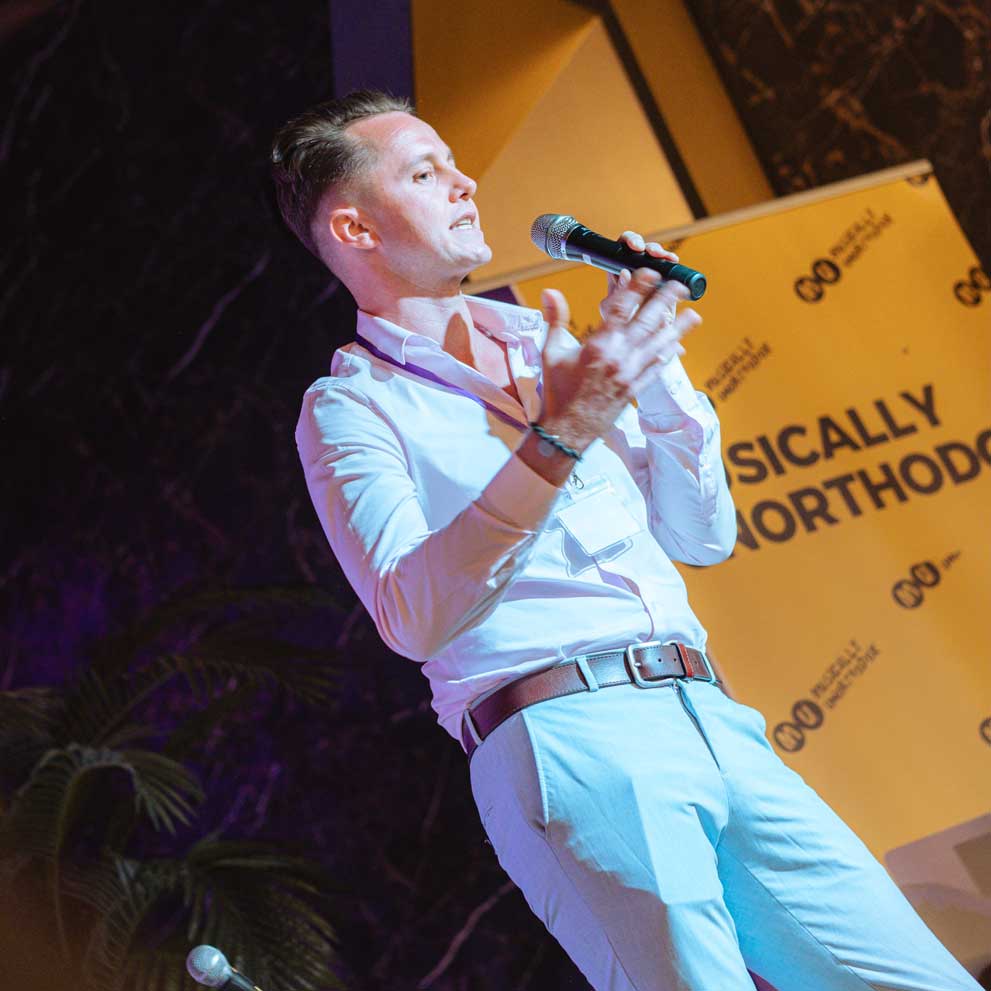
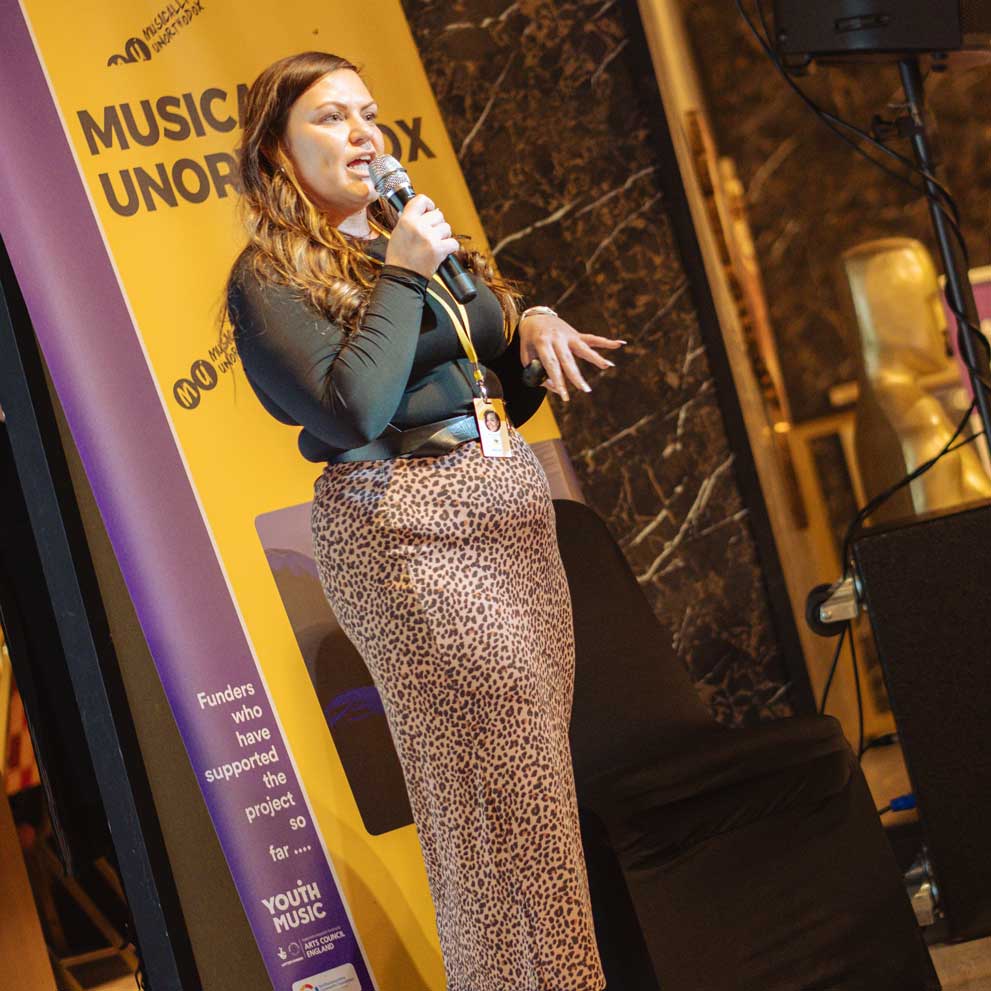
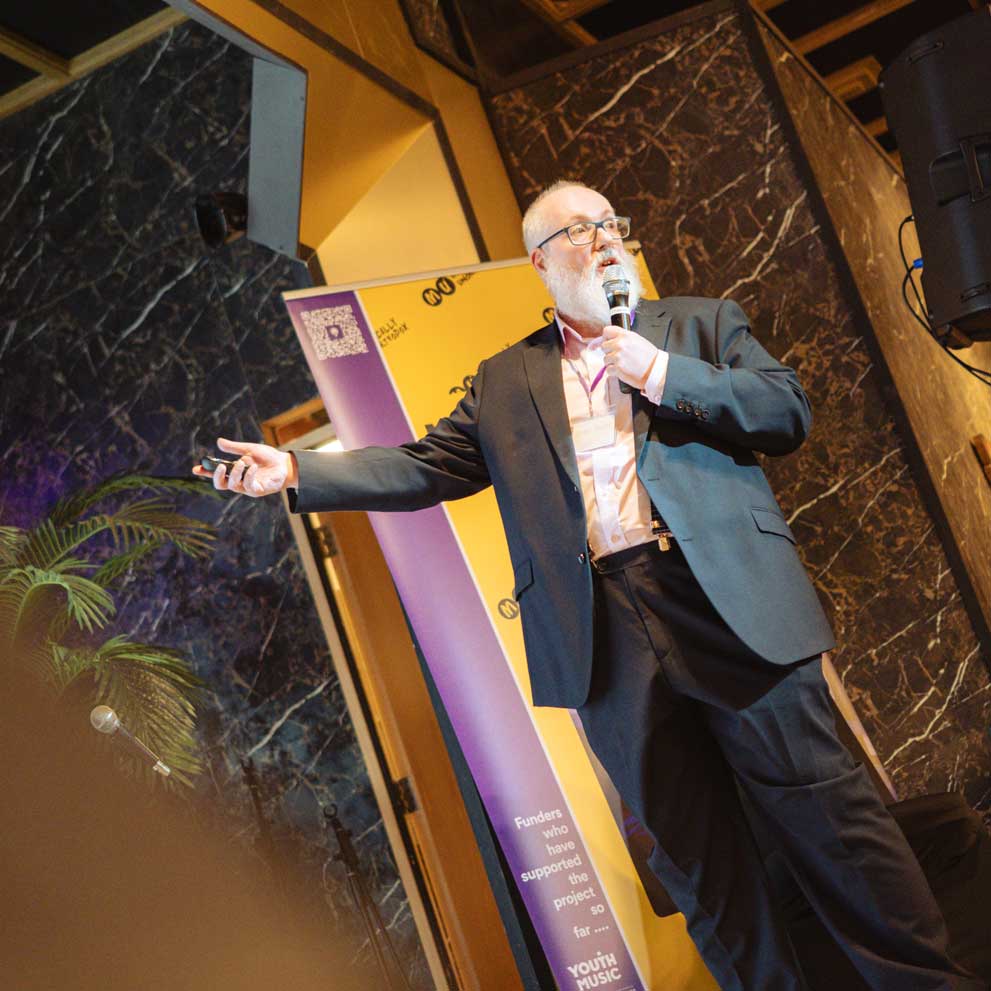
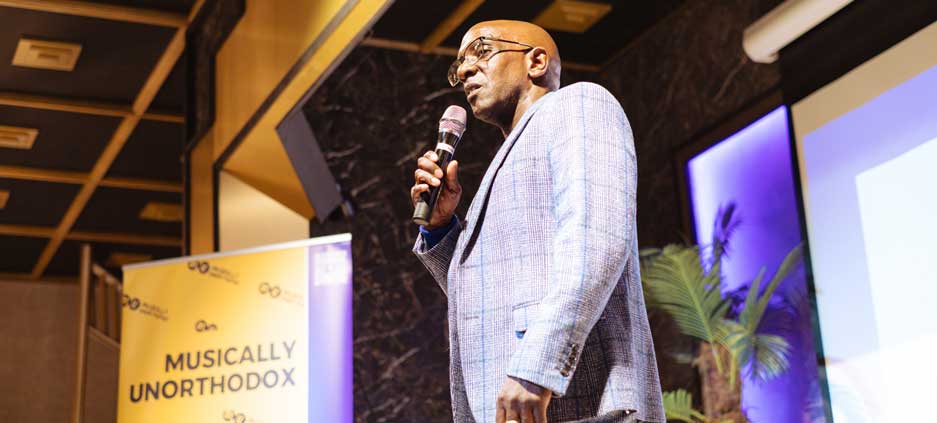
The conference culminated in a breathtakingly honest and motivational talk from Morris ‘The Connector’ Lothian, who journeyed from a life of gangs and family losses to running a chauffeur company for global superstars such as Justin Bieber, Beyonce, ASAP Rocky to mention a few. His story was a living embodiment of the conference’s theme: “Your pain is your gain… Find your gift, and it becomes your purpose.”
The dialogue has begun but this movement aims to be far more than just a forum for discussion. Our mission is to become a proactive force, building a sustainable, fully operational ecosystem that supports young people through creativity, collaboration, and opportunity. To accelerate this vision, we are seeking partners with resources, expertise, and influence who share our urgency and commitment. The stakes are high with the rise in knife crime, gang affiliation, and youth exploitation through county lines, there has never been a more critical time to act.
This is an open invitation. Whether you are a funder, an industry leader, an educator, or a young person with a passion for change your voice and your connection matter.
Reach out to us at: info@inmusicinmedia.com